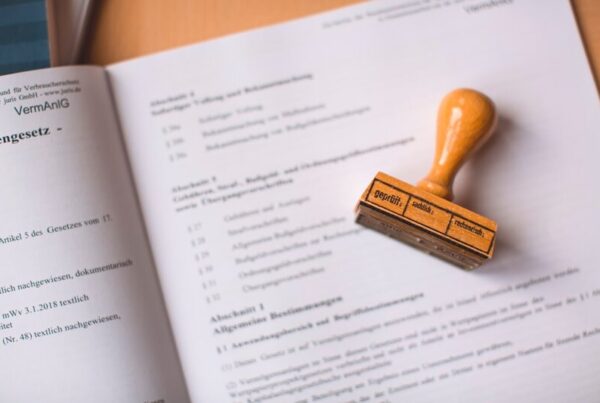


On the evening of Friday 11 September 2026, BitMEX co-founder Ben Delo disclosed in a Daily Telegraph column that he had given Reform UK £36m, the largest single political donation in British history. On Saturday, Christopher Harborne, British, resident in Thailand and holder of an estimated 12% of Tether, matched it to the pound in his own column. Roughly £72m, about $97m, moved in forty-eight hours.
Sitting in the House of Lords while that happened was the Representation of the People Bill. It cleared the Commons on 2 September, moved to the Lords on 3 September, and still needs Lords passage and royal assent before any of it binds anybody. Among its provisions: cryptoassets become impermissible as political donations, retrospectively to 25 March 2026 and returnable within thirty days of commencement, plus a £100,000 annual cap on donations from British citizens registered as overseas electors. Both of last weekend’s donations were made in sterling. Nobody is alleged to have broken anything, and that is the entire point of this post.
TL;DR
- £72m reached Reform UK on 11 and 12 September 2026 while a bill restricting political donations was still awaiting Lords passage and royal assent.
- The pending ban names cryptoassets. The donations were sterling. A rule written against a mechanism does not reach the effect.
- Every rulebook has a commencement gap between being written and being enforced. It is published in advance, to the day, and almost nobody audits it.
- Smart contracts ship both defects: a timelock is a public countdown to when the old parameters expire, and “one wallet, one entry” is a rule about wallets, not people.
- Chainlink VRF proves a draw was honest under the parameters in force when the random word landed, not that those are the parameters you read when you entered. Satoshie fixes a raffle’s parameters at deployment, so for that draw the gap is zero.
The half everybody asked
The argument started before the second donation cleared. Should crypto fortunes fund politics at all? Labour MP Stella Creasy noted that Delo had given Reform more in one evening than Labour spent across an entire election. Delo wrote that people with “broad shoulders and deep pockets” have a duty to step up.
That argument is real, and it gets had automatically, because it arrives with a villain attached. The structural question underneath gets no such help, because nothing about it is scandalous. Which is exactly why it keeps working.
The sixty-first unasked half of fairness
Here it is. When you are told the rules were followed, what governs the interval between a rule being written and a rule taking effect?
Every rulebook has that interval. Parliament passes a thing, and a commencement provision decides when it bites. The gap is not hidden, not a loophole and not a drafting failure. It is published in advance, because people need notice. Which means a rule with a future start date is also a countdown, readable by anybody who bothers.
The consequence outlives this weekend. “Was this compliant?” is never a complete question. It resolves to “compliant with which rules, as of when?”, and the timestamp belongs to whoever moves first. The verification on offer here, that everything was lawful, is true and tells you almost nothing, because it was pressed against the rulebook in force on the day rather than the one everybody knows is coming.
A rule about the rail is not a rule about the effect
The second defect sits next to the first. The pending ban names cryptoassets. What it reaches for is concentrated influence over a party’s finances. Two of the largest crypto fortunes in Britain moved £72m in sterling, and the named mechanism was simply not used. The rule regulates a rail; the money took a different one.
The overseas cap has the same shape: it names overseas electors, a category of voter, and wealth is not a voter. So a rule can be perfectly enforced and perfectly satisfied while the thing it was written to prevent proceeds untouched, and the audit comes back clean, because the audit checks the rail.
Both defects are already in your smart contract
Crypto readers will enjoy that and should stop here, because on-chain gaming ships both defects as features. Start with timelocks. A 48-hour timelock is sold as user protection: you see the change coming and exit before it lands. Read it the other way and it is a precise public announcement of when the old rules stop applying. A queued fee increase, or a queued change to a win threshold, is a scheduled event anybody watching the chain can read. Acting inside that window is not an exploit, it is the schedule working as designed, and the chain will confirm forever that every rule was followed.
Then the rail problem. “One wallet, one entry” is a rule about wallets. The effect it wants is one person, one entry. A sybil does not break that rule, it satisfies it, in public, with a clean history for every address. Nobody has solved it without reintroducing an identity checker, which is a referee wearing a rulebook.
So be careful what a fairness proof covers. Chainlink VRF proves a draw was honest given the parameters in force when the random word landed. It does not prove those are the parameters you read when you entered. Proof is timestamped, and the timestamp turns out to be most of the argument.
What Satoshie actually pins down
A Satoshie raffle contract is deployed before entries open, with ticket price, entry cap and prize structure fixed in that deployment for the life of the draw, and the VRF coordinator named in public code before anybody stakes. The proof is verified on-chain before the payout callback may act, the winner is computed inside that callback, and the payout lands in the same transaction. No admin key can reassign a result.
The property that matters is narrow: for a given draw, the rules you read at entry and the rules that resolve you are the same rules, because no mechanism exists to edit them in between. That raffle’s commencement gap is zero, not because we are principled but because we did not build the edit.
What we cannot claim
Per-draw immutability is not platform immutability. We can write completely different parameters into the next raffle with no notice, because the next raffle is a new deployment. If you want a guarantee covering the platform rather than the draw, we do not have one, and nor does anyone else selling the word “immutable”.
We do not solve sybil. The front end is an ordinary web app and the least trustworthy thing we ship. Base runs a company-operated sequencer. And the legal layer above all of it is as unauditable for us as for you: licensing regimes change, commencement dates move, and no contract notices.
Three questions worth asking any platform
- When the rules change, is the effective moment published where I can read it before I stake, or do I find out from the outcome?
- Are the parameters that resolve my entry fixed when I entered, or at the draw?
- Is that restriction a rule about a mechanism or about an effect, and what happens if I use a different mechanism?
Nothing last weekend required anybody to break a rule. That is the finding, and it is harder than a scandal would have been. Any system asking you to trust that the rules were followed owes you two more things first: which rules, and as of when.
📷 Photo by Stanislav (@venmer) on Unsplash