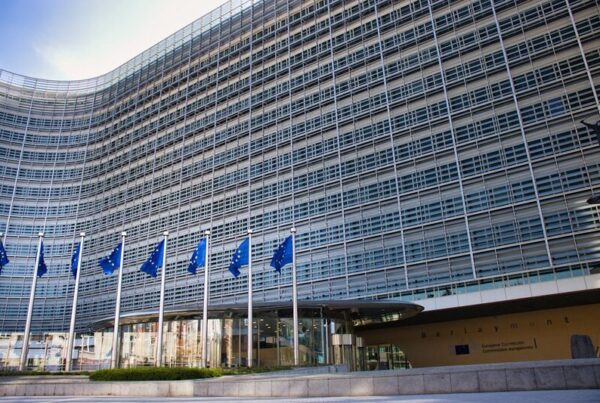
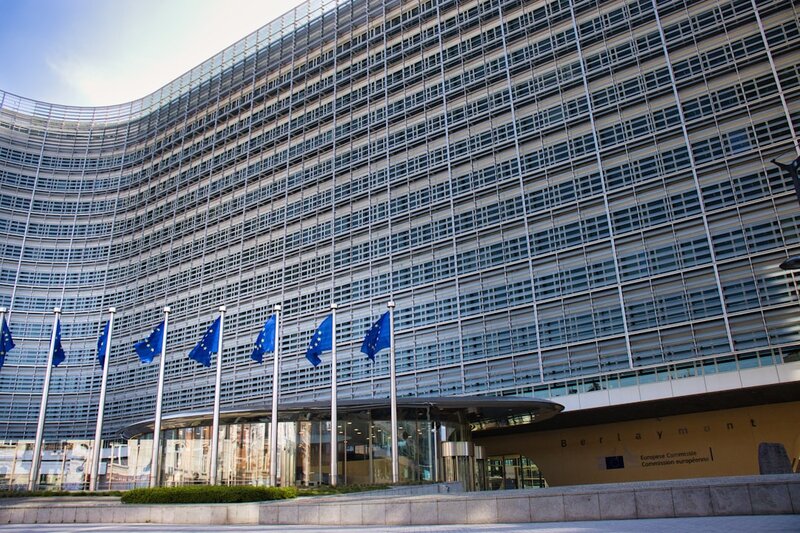

Malta is picking a fight with the European Union, and the whole crypto industry is watching. The self-proclaimed “Blockchain Island” is openly resisting plans to centralise crypto supervision under the European Securities and Markets Authority (ESMA). If the EU gets its way, Malta would lose direct oversight of major exchanges like Crypto.com, Gemini, and Bitpanda. For a country that bet its economic future on being crypto-friendly, that is an existential threat.
TL;DR
- Malta is fighting EU plans to centralise crypto oversight under ESMA, which would strip national regulators of control over major exchanges
- The battle highlights a fundamental tension: centralised regulation vs jurisdictional competition in crypto
- On-chain gaming platforms like Satoshie sidestep this entirely because provably fair smart contracts do not need a regulator to guarantee fairness
- While governments argue over who supervises centralised exchanges, decentralised protocols just keep running
- The future of fair gaming is not waiting for regulatory clarity. It is already on-chain.
What Is Actually Happening
Under MiCA (Markets in Crypto-Assets), each EU member state currently has its own national regulator overseeing crypto companies. Malta’s MFSA has been one of the most active, licensing some of the biggest names in the industry. The new proposal would shift that oversight to ESMA in Paris, effectively creating a single EU-wide crypto supervisor.
Malta’s argument is straightforward: they built their entire regulatory framework to attract crypto businesses. They did the work early. Now Brussels wants to take the keys. Malta’s finance minister has openly warned that centralising oversight could push firms to Dubai and the US, jurisdictions that are actively competing for crypto companies.
This is not just bureaucratic turf war. It is a genuine philosophical clash about how crypto should be regulated, and whether national regulators or supranational bodies are better positioned to do it.
The Centralisation Irony
Here is where it gets interesting for anyone paying attention to the on-chain gaming space. The entire fight is about who gets to supervise centralised crypto businesses. Exchanges, custodians, service providers that hold user funds and operate traditional business structures.
The irony is thick. Crypto was built on the premise that you should not need to trust intermediaries. And yet the biggest regulatory battles in 2026 are still about who gets to oversee the intermediaries that the industry was supposed to make obsolete.
Every time a centralised exchange gets fined (Binance Australia, A$10M last month), or a regulator seizes control (CFTC permanently banning KuCoin from the US), it reinforces the same point: if your platform depends on a centralised operator, you are at the mercy of whichever government happens to be in charge.
Why On-Chain Gaming Does Not Care Who Wins
Satoshie runs on Base with Chainlink VRF providing verifiable randomness. Every raffle, every coinflip, every outcome is determined by a smart contract that nobody controls. Not us, not Malta, not ESMA, not Paris, not Brussels.
This is not a political statement. It is an architectural one.
When your gaming platform is a smart contract on a public blockchain, the question of “which regulator oversees this” becomes almost academic. The contract does what it does. The randomness is verifiable. The payouts are automatic. There is no operator sitting in Malta or Luxembourg who could manipulate outcomes even if a regulator told them to.
Traditional online gambling platforms are deeply affected by these regulatory turf wars. They need licences. They need to comply with whichever jurisdiction they operate in. When a regulator changes the rules, they scramble to adapt. When two regulators disagree (as Malta and ESMA are doing right now), the platforms caught in the middle face genuine operational uncertainty.
On-chain gaming sidesteps this entirely. Not by evading regulation, but by making the core trust question irrelevant. You do not need a regulator to verify that a Chainlink VRF result is fair. You can verify it yourself, on-chain, right now.
The Bigger Picture: Jurisdiction Shopping Is a Symptom
Malta warning that firms will flee to Dubai if ESMA takes over is revealing. It admits that crypto companies choose jurisdictions based on regulatory friendliness, not because any particular regulator provides better consumer protection. This is jurisdiction shopping, and it has been the norm in crypto since the industry began.
For centralised platforms, jurisdiction shopping is a rational strategy. You go where the rules are lightest. But for users, it means your “protection” depends on which island or city-state your exchange chose to incorporate in. That is not a great system.
Decentralised protocols offer a different model. Instead of trusting a regulator to keep an operator honest, you trust code that anyone can audit. Instead of hoping your jurisdiction has strong consumer protection, you verify the contract yourself. It is not perfect, and smart contract risk is real. But it is a fundamentally different trust model than hoping Malta’s MFSA is better than ESMA at catching bad actors.
What This Means for Players
If you are playing on a traditional online gambling platform, you should care about the Malta vs ESMA fight. Your platform’s licence, its ability to operate, and the regulatory framework protecting you are all in flux. A shift to centralised EU oversight could improve standards or could push your preferred platform to a less regulated jurisdiction. Nobody knows yet.
If you are playing on a provably fair on-chain platform, the fight is interesting to watch but does not affect your gameplay. The smart contract will process your raffle entry the same way regardless of what happens in Brussels. The Chainlink VRF will generate the same verifiable randomness whether Malta keeps its regulatory authority or not.
That is the point. On-chain gaming is not anti-regulation. It just does not depend on it for the thing that matters most: fairness.
The Regulatory Clarity Everyone Wants Is Already On-Chain
The crypto industry keeps asking for “regulatory clarity.” Malta vs ESMA shows how far we are from getting it, at least at the centralised platform level. Two arms of the same political union cannot agree on who should be in charge.
Meanwhile, on-chain platforms have had clarity since day one. The rules are the smart contract. The randomness is verifiable. The outcomes are on the blockchain forever. No regulator needed to provide that clarity. It was coded in from the start.
While Malta and Brussels argue about jurisdiction, Satoshie is just building. Provably fair raffles and coinflips, available to anyone, verifiable by everyone. The future of gaming is not waiting for regulators to sort themselves out. It is already live.
📷 Photo by 𝕡𝕒𝕨𝕤 𝕒𝕟𝕕 𝕡𝕣𝕚𝕟𝕥𝕤 on Unsplash