
BitMart announced it was shutting down. Weeks later, CoinDesk reports it is weighing a partial restart and creditor payouts, has hired White & Case as restructuring counsel, and expects to publish a detailed roadmap by 9 September.
The interesting word in that sentence is not “restart”. It is “creditor”. Somewhere between the shutdown announcement and this week, the people holding balances on that platform stopped being customers and became claimants. Nobody posted them a form to sign. The reclassification simply happened to them, at the exact moment they had the least leverage to argue about it.
That is the thirty-first unasked half of fairness, and it is the one that outlives every other answer you get right.
TL;DR
- BitMart is weighing a partial restart and creditor payouts weeks after announcing a shutdown, with White & Case retained as restructuring counsel and a roadmap due by 9 September.
- The word “creditor” is the story: a platform balance is not money you hold, it is a promise you are owed, and promises get ranked when the entity behind them fails.
- Restructuring is a ranking exercise. Whether the games were fair is not an input into the waterfall that decides what you receive.
- “We are solvent” describes today. The claim queue is a question about the worst day, and no attestation answers it.
- On-chain settlement removes the creditor relationship entirely: stake escrowed in the contract, Chainlink VRF resolves, payout in the same transaction. You are never owed, so you are never ranked.
The half everyone asks about
Was the game fair. That is the question the whole industry has trained users to ask, and to be clear, it is a good question. Was the randomness manipulable. Could the house see the outcome before you did. Is there something verifiable behind the certificate on the footer of the site.
Satoshie exists because most platforms answer that badly. But a platform can answer it perfectly and still leave you with nothing, because fairness of outcome and delivery of outcome are two separate systems, and only one of them lives in the code.
The half nobody asks
What is my balance worth on the day the company that owes it stops trading?
Almost nobody asks this before they deposit, because the interface is designed to make it unaskable. Your balance renders as a number in the top right corner, in the same typeface as the price of Bitcoin, with the same decimals. It looks like money. It is not money. It is a database row recording that a company accepts it owes you something, and the enforceability of that row is a question of insolvency law rather than software.
Restructuring is a ranking exercise
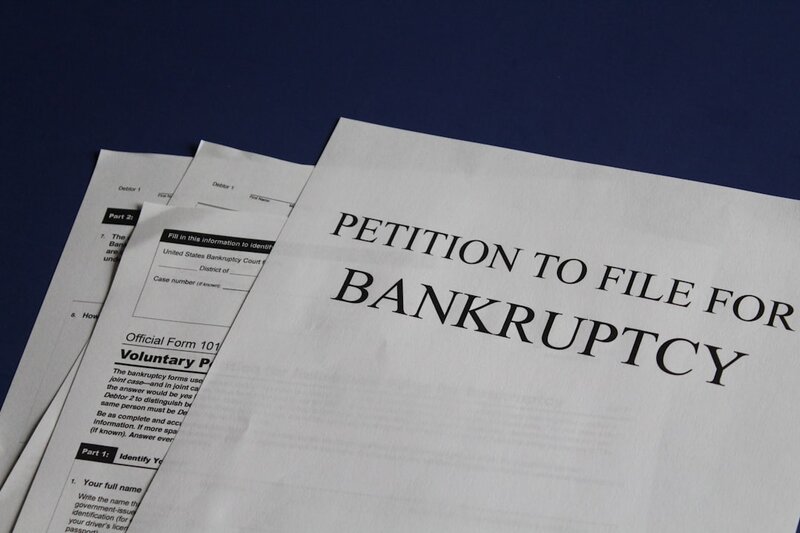
White & Case have not been retained to audit whether anyone’s games were fair. Restructuring counsel exists to sort claims into an order and determine what each tier can expect from what is left. Secured creditors first. Preferential and statutory claims. Professional fees, which are paid from the estate before the people the estate exists to compensate. Then general unsecured claimants, pro rata, at whatever percentage the numbers allow.
Retail customers are usually in that last group. Your position in the queue was fixed by the terms you accepted at signup and by the jurisdiction the entity was incorporated in, not by anything you did on the platform.
And note the shape of the BitMart situation specifically: a partial restart is being weighed alongside creditor payouts. That is a live decision about how much of the remaining value goes to reviving the business versus going back to the people who funded it. Reasonable people can argue either way. What matters here is that it is a decision, made by parties who are not you, about money you thought was yours.
The gaming version of this
Picture a raffle on a custodial platform. Four thousand tickets sold, entry fees swept into an operational wallet, prize pool held by the company, draw scheduled for Friday. On Wednesday the company announces it is winding down.
Now ask where the prize is. It was never segregated. It was working capital with a marketing label. The winner of a draw that never resolved is not a winner, they are an unsecured claimant with an unusually weird story to explain to an administrator.
Nothing about that failure required a rigged RNG. The randomness could have been immaculate. The failure happened one layer below the thing everybody was auditing.
“We are solvent” is a statement about today
Every platform that has ever collapsed was solvent until the week it was not, and most of them said so loudly right up to the end. Proof of reserves is a photograph, not a guarantee: assets at a moment, usually not liabilities, and never the legal priority of the people looking at it.
Solvency attestations answer “can you pay everyone right now”. The claim queue answers “who gets paid, in what order, on the day you cannot”. Those are different questions, and the industry has spent years enthusiastically answering the easier one.
What on-chain settlement actually changes
The fix is not a better attestation. It is removing the debt relationship.
On Satoshie there is no platform balance to be reclassified, because there is no platform balance. Your stake is escrowed by the contract for the duration of the game. The Chainlink VRF coordinator verifies the randomness proof before the callback is allowed to deliver a number. The outcome is computed in that callback, and the payout happens in the same transaction that resolves the game.
You cannot be ranked as a creditor by a company that never became your debtor.
The honest part
Satoshie is a company, and companies stop. We hold the controls we admitted to in the last post: we can stop new raffles and coinflips, and we can take the front end offline. Pretending otherwise would be exactly the dishonesty this post is about.
The distinction is what happens to value already committed. Stopping new games does not turn settled or pending stakes into an unsecured claim against us, because those funds sit in a contract with published rules rather than in a treasury we can spend from. If Satoshie disappeared tonight, last night’s draw would still be verifiable on BaseScan, a service we do not operate and cannot take offline, and the contract would still hold and release exactly what its code says it holds and releases. No roadmap required. No counsel retained. No waterfall.
Three questions to ask any platform holding your money
- If you stopped trading tomorrow, is my balance a position in my own wallet or a claim against your estate?
- Where does entry money sit between the draw closing and the payout: in a contract with rules I can read, or in an account you can spend from?
- Who ranks me if it goes wrong, and at what point did I agree to that ranking?
If a platform cannot answer the third one, the answer is that someone else will decide, later, in a document you will read for the first time after it is binding. BitMart’s customers are reading theirs by 9 September.
Fair randomness is necessary. It has never been sufficient. The half nobody asks about is the half that decides whether a win is money or paperwork.
📷 Photo by Melinda Gimpel on Unsplash